Investigative Committee of the Russian Federation
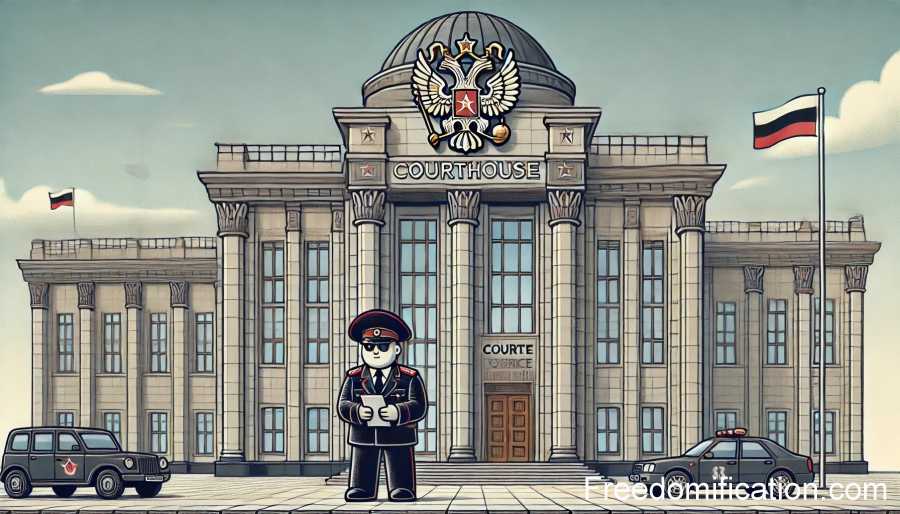
Structure, tasks and importance
The Investigative Committee of the Russian Federation (Russian: Следственный комитет Российской Федерации, abbreviated as Sledkom) is one of the key law enforcement agencies in Russia, responsible for conducting criminal investigations and ensuring compliance with the law. It was established as an independent institution with the aim of increasing the effectiveness of the fight against crime and corruption. Its establishment was part of the reform of the justice system, which aimed to separate investigative functions from the prosecutor’s office.
The history of the creation of the Investigative Committee
The Investigative Committee was established on January 15, 2011 by decree of the President of the Russian Federation. Previously, investigative functions were performed by the Prosecutor General’s Office, but it was considered necessary to separate these two institutions in order to avoid conflicts of interest and ensure greater independence and effectiveness of investigative activities.
The Investigative Committee was created based on models operating in other countries, such as the United States and France, where there are specialized agencies dealing with investigations. Since its inception, the Investigative Committee has gained broad powers, making it one of the most important bodies in the Russian legal system.
Organizational structure
The Investigative Committee has a hierarchical structure that allows for effective management and supervision of the cases conducted. It is headed by the chairman, appointed by the President of the Russian Federation. The chairman has broad powers, including the right to appoint and dismiss investigators and supervise the most important investigations.
The Committee is divided into central and regional units. The central units include departments dealing with various types of crimes, such as corruption, organized crime, terrorism, and economic crimes. At the regional level, there are departments responsible for conducting investigations in individual regions of the Russian Federation.
Competencies and tasks
The Investigative Committee of the Russian Federation investigates the most serious crimes that are of particular importance to the interests of the state. Its competences include:
- Prosecution of corruption offences – The Committee investigates illegal activities of public officials, including bribery and abuse of power.
- Combating organised crime – One of the priorities is combating large-scale criminal groups, including drug crime and human trafficking.
- Investigation of acts of terrorism and extremism – The Committee plays a key role in combating threats related to terrorism, investigating terrorist attacks and the activities of extremist organisations.
- Economic investigations – Investigating financial crimes, such as embezzlement, tax fraud and money laundering.
- Investigating war crimes and human rights abuses – In recent years, the Committee has also been involved in investigating crimes committed in conflict zones in which Russia is involved.
Controversy and criticism
Despite its role as a law enforcement agency, the Investigative Committee of the Russian Federation has been controversial both domestically and abroad. Critics accuse it of lacking independence from the executive branch and of using its powers to achieve political goals. In particular, there are accusations of selective justice, where investigations are conducted mainly against individuals and organizations critical of the authorities.
Another subject of criticism is the manner in which investigations are conducted, including the use of psychological pressure on suspects and limiting access to a fair trial. International organizations such as Amnesty International and Human Rights Watch have repeatedly pointed to cases of human rights violations in the activities of the Committee.
The importance of the Investigative Committee in the Russian legal system
Despite criticism, the Investigative Committee plays a key role in the Russian legal system. Its activities are essential for combating crime and protecting state interests. Thanks to its broad competences and resources, the Committee is able to conduct complex investigations that require advanced investigative methods and cooperation with other bodies.
The Russian authorities present the Committee as an important element in the fight against corruption and crime, emphasizing its achievements in exposing cases of violations of the law by high-ranking officials and influential individuals. However, many external observers still wonder to what extent the Committee’s activities are independent and to what extent they are subordinated to political interests.
Summary
The Investigative Committee of the Russian Federation is an institution with enormous powers and importance in the Russian legal system. Its main tasks include investigating the most serious crimes and ensuring compliance with the law at various levels. Although the Committee has many successes, its activities also raise many controversies and questions about its independence and compliance with human rights standards. In the future, it will be crucial whether the Committee will be able to gain greater trust both in Russia and in the international arena.
Image Sources: AI
Want to learn more about other special services in Russia? Return to the main topic – Special Services of Russia.