Curiosities and Absurdities from Russia
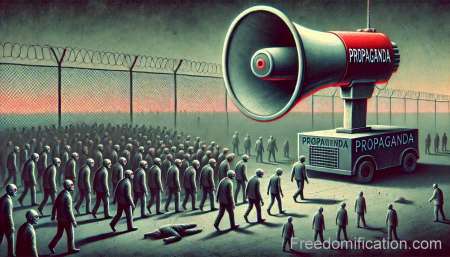
Explore the bizarre and fascinating realities of Russia — where propaganda, extreme rules, and everyday contradictions create a world unlike any other.
Red Square
Riding scooters is banned in Red Square because it is considered a “threat to history.” This is a symbolic place that should be preserved intact.
Clubs for the rich
In Moscow, there are exclusive clubs for the “too rich,” where the use of phones is prohibited. The goal is to create an atmosphere of secrecy and mystery.
Warlike geese
Russian television has accused Ukraine of training “warlike geese” to attack. The story has sparked a wave of jokes on social media.
Intense thinking
Russian police have detained a man for “suspiciously intense thinking,” which has become a symbol of the absurd actions of the services.
T-34 tank
Despite the passage of 80 years, the legendary T-34 tank still takes part in Russian military parades. It is a symbol of the country’s steadfastness and military history.
Floors in Moscow
Some apartment buildings in Moscow have unusual floor numbers – for example, 1, 2, 3, 3A. This is due to Russian superstitions related to the number 4.
Information warfare
Russian authorities have officially declared victory in the “information war” against the West. These actions are part of a propaganda strategy.
Censorship in sci-fi
Sci-fi films in Russia are censored if they “undermine the authority of the state”. This is an example of control over culture and media.
Putin quotes
Officials in Russia are required to memorize selected quotes from Vladimir Putin. This practice strengthens the cult of personality.
National Unity Day
Russia celebrates “National Unity Day”, although most citizens do not know what exactly this holiday commemorates.
Weather-controlling weapons
Russian state media have suggested that the US has a “weather-controlling weapon”. These theories have sparked controversy and speculation.
Fundraising for soldiers
Soldiers in Russia often use equipment purchased through fundraising, which is often better than that provided by the army.
Russians the happiest
Official studies claim that Russians “are the happiest nation in the world.” These results have been the subject of much debate.
Police vs. colorful clothing
In some Russian cities, police can detain a person for wearing “too colorful” clothing. Such clothing is considered inappropriate or provocative, which can lead to questioning. Authorities explain this as an attempt to “preserve traditional values.”
Smiling? Only in moderation
In Russia, there is an unofficial but widespread recommendation not to smile too much. It is believed that excessive displays of joy can be interpreted as a lack of seriousness or intelligence. It is said that Russians prefer “sincerity” to a fake smile.
Is the West jealous of Russia?
Russian media often present an image of the West full of admiration and envy for Russian successes. In the news, you can see reports of alleged attempts to copy Russian technology or culture. This type of narrative builds a sense of national pride.
Patriotic chips – bacon and horseradish
In Russian stores, you can find chips with unusual, “patriotic” flavors, such as bacon and horseradish. The manufacturer promotes them as an alternative to Western snacks. This is another example of referring to national pride in everyday products.
A bridge for a day
Russian authorities boasted about building a bridge in a record 24 hours. Unfortunately, the structure did not survive the first rain, which caused a wave of criticism. Despite this, the event was promoted as an example of “Russian innovation”.
Putin fashion
The Kremlin has issued official recommendations on wearing clothes with the image of President Putin. The tips suggest how to do it in a “fashionable and appropriate” way. This is part of a broad campaign promoting a personality cult.
Coca-Cola a threat to patriotism?
Russian television warned that drinking Coca-Cola could lead to “disloyalty to the motherland”. According to the media, Western products allegedly have a negative impact on patriotism. Meanwhile, Coca-Cola is still very popular in the country.
Soviet cuisine: bread and water
Some Russian restaurants offer “traditional Soviet food,” such as bread served with water. This is meant to recall the Soviet era and emphasize the simplicity of life there. These dishes are gaining popularity among nostalgics.
Russia the lone hero of World War II?
Russian schools teach that the country “single-handedly saved the world from Nazism.” Educational programs omit the contribution of other nations to World War II. This approach emphasizes Russia’s uniqueness in the historical narrative.
Bad weather is bad PR
The authorities recommend avoiding talking about bad weather in the media, as it can negatively affect the country’s image. Some regions even introduce bans on using overly pessimistic terms. This is part of a broader strategy to improve the “national mood.”
Criticism of transport banned
A ban on public criticism of city transport has been introduced in several Russian cities. The authorities justify this by saying that they care about the reputation of local services. Critics say this is a restriction on freedom of speech.
Lack of patriotic facial expression
Russian police can detain a person for “lacking a patriotic facial expression.” It is believed that indifference or sadness can be a sign of disloyalty. Such actions are intended to promote a positive image of citizens.
Vkusno i tochka
McDonald’s in Russia has been replaced by the “Vkusno i tochka” brand, whose menu remains almost identical. This change was the result of sanctions.
Natural gas anthem
Russia has an official anthem dedicated to its natural gas, which is one of the country’s main exports. The song is intended to emphasize the importance of this resource to the national economy. It is often played at state events.
Gays, atheists and sorcerers
Russian media claim that “gays, atheists and sorcerers” are fighting in Ukraine against Russian values. Such narratives are intended to demonize opponents and increase the sense of threat. It is a common element of propaganda.
Patriotic marathons
Russian officials are encouraged to participate in “patriotic marathons” organized by the Kremlin. Those who do not attend may face problems at work. These events are aimed at building national unity.
Great economic growth
Russian economic forecasts often predict “great growth,” which, however, is not reflected in reality. Experts point to discrepancies between the data and the everyday lives of citizens. Despite this, the authorities maintain an optimistic tone.
Politicians on vacation in the West
Russian politicians regularly proclaim the “decline of the West” while vacationing there. In the media, they criticize Western values, but in private they enjoy their charms. This causes controversy among citizens.
Books on patriotic cooking
Cookbooks are being created in Russia that promote “patriotic cooking” without using Western products. The recipes are based on local ingredients and are aimed at becoming independent from Western influences. This is part of a campaign to support the Russian market.
Soviet Toy Festivals
Some cities hold festivals dedicated to traditional Soviet toys. Exhibits include wooden tanks and soldier figurines. These events evoke nostalgia for the Soviet era.
Ballroom dancing too Western
Russian authorities have said that ballroom dancing is “too Western” and inappropriate for the Russian soul. Instead, they are promoting traditional forms of folk dance. The decision has been met with mixed reactions.
Russian companies produce “anti-Western” soap
Soap with Putin’s image is gaining popularity in Russia. It symbolizes resistance against Western influences. Many buyers claim it represents their support for national policies and opposition to Western sanctions.
Kremlin vs. TikTok: A spy tool or a political platform
While TikTok is labeled a “Western spy tool,” Russian politicians actively use it to reach younger audiences. Despite criticism, the platform has become a tool for spreading state-approved messages.
“Patriot” app: Instilling love for the homeland
Authorities promote an app designed to teach children patriotism and instill national pride. The app includes quizzes, games, and historical lessons tailored to align with government narratives.
Ban on English abbreviations in text messages
Some Russian cities outlaw English abbreviations, emphasizing the preservation of the Russian language. Supporters believe this strengthens cultural identity, while critics call it unnecessary censorship.
Did Russia invent the electric car?
Russia claims it pioneered the idea of electric cars, accusing “the West” of stealing it. Officials cite obscure historical projects as evidence, though experts remain skeptical.
Patriotic films: Russians conquer Mars
Russian cinema features films where Russians colonize Mars and battle Americans for dominance. These productions aim to highlight scientific excellence and national superiority.
Russian TV shows simulation of World War III
A simulation aired on TV depicts how Russia would emerge victorious in a global conflict. The broadcast sparked controversy, with some questioning its impact on public psyche.
Hamburgers: A conspiracy against Russians?
Authorities allege American hamburgers are part of a plot to undermine Russian health. Restaurants promoting Russian cuisine are encouraged to counteract the supposed “Western threat.”
“Patriotic phones” blocking foreign websites
Special phones are designed to block access to international platforms and promote Russian tech. These devices are marketed as tools for safeguarding national digital sovereignty.
Cities with “the best public transport”
Despite claims of world-class public transit, some cities struggle with functioning systems. Citizens often complain about delays and overcrowding, contradicting official statements.
Russia: “The best country for retirees”
Authorities boast about retirement conditions, but the reality paints a different picture. Critics point to low pensions and rising living costs as major issues for seniors.
Surrendering Western passports on TV
Television shows people giving up foreign passports, but reports suggest coercion was involved. The spectacle aims to demonstrate loyalty to Russia, though its authenticity is questioned.
Plans to rebuild the USSR 2.0
There are state initiatives to revive the Soviet Union in a modernized form. These proposals evoke nostalgia among some citizens while alarming neighboring countries.
Prayers for the homeland in churches
Authorities encourage additional prayers for Russia’s prosperity during religious services. This move ties patriotism to spirituality, fostering a deeper connection to national identity.
Stalin costumes at festivals
Some Russian festivals feature attendees dressed as Stalin, sparking mixed reactions. Supporters see it as honoring history, while critics decry it as glorifying authoritarianism.
History books omitting key events
“Official” history books often exclude crucial historical moments of the 20th century. This selective approach aims to shape public perception and align with state narratives.
McDonald’s vs. Russian equivalent
Russian media criticizes McDonald’s while locals flock to its domestic counterpart. The competition highlights efforts to promote national brands over global franchises.
Russian films vs. Hollywood
The Kremlin claims Russian cinema surpasses Hollywood, despite its heavy focus on propaganda. Filmmakers are urged to create stories that emphasize patriotism and cultural pride.
Mandatory patriotism lessons in schools
Some schools replace math lessons with classes teaching love for the fatherland. This shift has sparked debate about the balance between education and ideological instruction.
Elon Musk impressed by Russian tech?
Russian media speculates that Elon Musk admires the country’s technological advancements. However, there is little evidence to support these claims, leading to skepticism.
Russia: “Never an aggressor”
The Kremlin asserts Russia’s peaceful history, overlooking its numerous military conflicts. This narrative is widely propagated to justify current policies and actions.
Stores “only for patriots”
There are official stores in Russia where you can buy only domestic products. You won’t find any foreign brands there.
Ban on the word “crisis”
In some Russian cities, it has been forbidden to use the word “crisis” in official documents. All so as not to cause concern among citizens.
Putin as a solution to everything
Russian media claim that President Vladimir Putin can solve any problem in the country in just a few seconds. This is an example of building a strong image of the leader.
Marches in honor of communist secretaries
In some cities, marches are held dedicated to former secretaries of the Communist Party of the Soviet Union. This is a form of commemoration of the old political system.
Programs about “correct” history
Russia runs state educational programs that teach children how to “correctly understand Russian history.” This is an element of national propaganda.
The World’s Safest Internet
Russian authorities declare that the Russian internet is “the safest in the world.” They claim that blocking foreign sites protects citizens.
Anti-Western smartphones
Some Russian companies offer special smartphones with built-in patriotic anthems. They are advertised as an alternative to Western technology.
Are Americans Afraid of Russia?
Russian television has shown footage claiming that Americans “are afraid of the Russian army and want to surrender.” This is an example of propaganda media coverage.
Russia is Always Right
The Kremlin claims that Russia is “the only country that is always right in international politics.” This is part of building a sense of national exceptionalism.