
How Do North Koreans Escape? Routes, Threats, and Defector Stories

Introduction
North Korea is one of the most closed countries in the world, ruled by a totalitarian regime where every aspect of citizens’ lives is controlled. Residents are subjected to intense propaganda, and personal freedom is practically non-existent. Despite the enormous risks, some decide to take the desperate step of fleeing, hoping for a better life outside the country.
The main reasons for fleeing are:
- Lack of freedom and political repression – Any criticism of the authorities can end in imprisonment or execution.
- Hunger and difficult living conditions – Especially in rural areas, many people struggle with a lack of basic food products.
- Lack of prospects for the future – The state controls educational and professional opportunities, limiting social advancement.
Although escape is extremely dangerous, some manage to cross the border into North Korea. There are several main routes that defectors take.
Escape routes
Through China – the most common but risky
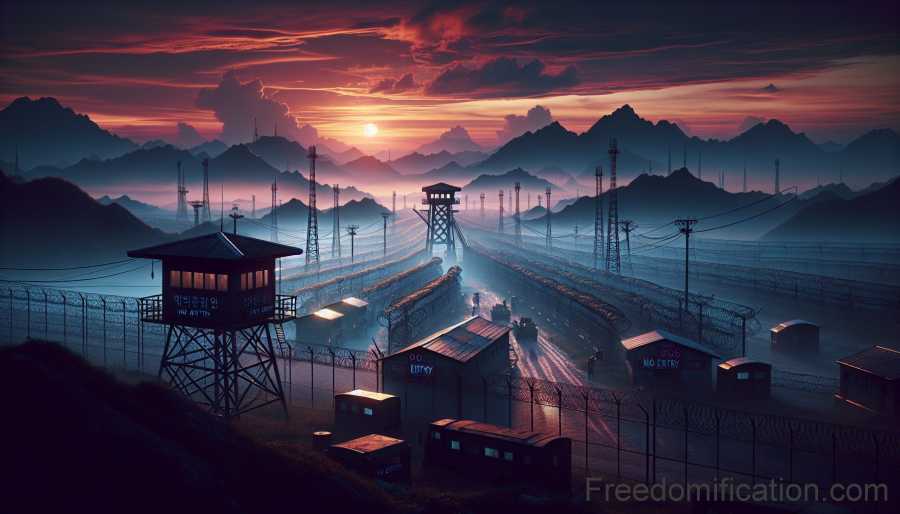
Most defectors choose the route through the border with China, as the Yalu and Tumen rivers in the north of the country are less guarded than the demilitarized zone separating North and South Korea. Nevertheless, border guards patrol the area, and any defectors caught are severely punished.
Main threats:
- Deportation by China – China does not recognize North Koreans as political refugees and repatriates them back to the DPRK.
- Human trafficking – Women are often victims of violence and sold into forced marriages or brothels.
- Living in hiding – Defectors must stay in hiding or rely on the help of human smugglers.
Through Russia – rarer but existent
Some North Koreans working on contracts in Russia decide to escape. This route is less popular because Russia, like China, supports the Kim Jong-un regime and pursues defectors.
Main threats:
- Lack of support from the Russian government – Russia often repatriates defectors to North Korea.
- Extreme conditions – Low temperatures and long distances make escape more difficult than through China.

Direct to South Korea – extremely rare
A direct escape to South Korea through the Demilitarized Zone (DMZ) is nearly impossible due to the heavy mining and military presence. Known escapes through this route have mostly involved soldiers who took advantage of the element of surprise.
Other, lesser-known ways
Some escapees choose less obvious routes:
- Through Mongolia – After crossing the Chinese-Mongolian border, they can count on asylum.
- Through the sea – Some people try to get to South Korea on fishing boats, but this is extremely difficult and dangerous.

Threats and Challenges
Border Guards and Mines
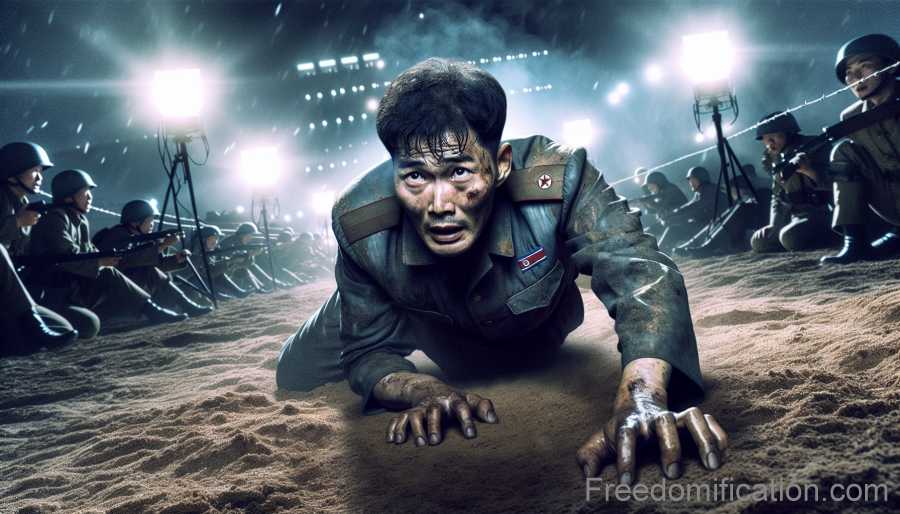
North Korea’s borders are heavily guarded by armed guards, and anti-personnel mines are planted in some areas. Any fugitives caught can be subjected to brutal interrogations and even execution.
Human Trafficking
Women are particularly vulnerable to kidnapping and human trafficking. In China, many are forced to work in brothels or sold as “wives” for forced marriages to Chinese men.
Detection in China and Deportation

China considers North Korean defectors to be illegal immigrants, not political refugees. This means that if they are detected, they are deported back to the DPRK, where they face severe repression, including torture, imprisonment, and even the death penalty.
Living in hiding as an illegal immigrant
Many defectors are forced to live in hiding, hiding their identities and avoiding contact with the Chinese authorities. They live in fear of arrest and deportation, often working illegally in difficult conditions.
What is life like after defection?
Adjustment in South Korea
Those who manage to reach South Korea must go through an adjustment process. The South Korean government runs integration centers where defectors learn to live in a new society.
Mental health problems, PTSD
Many defectors struggle with serious mental health problems, such as PTSD (post-traumatic stress disorder), depression, and feelings of alienation. The trauma of their escape and the brutal regime has left a deep mark on them.
How does the South help defectors?
South Korea offers financial, educational, and job support to help defectors start a new life. However, despite these programs, many of them struggle to integrate and find their way in the new world.
Learn more about:
The stories of individuals who managed to escape
Women fleeing the DPRK – the terrifying reality of human trafficking
Summary
Escaping North Korea is an extremely risky and dangerous path to freedom. Defectors face repression, human trafficking, and difficulties in adapting to their new lives. Despite these challenges, many of them decide to make this desperate move, hoping for a better future. The stories of defectors show both the brutality of the regime and the indomitable human spirit in the pursuit of freedom.
Author: MJ